oncology hospital in Nagpur

Best Oncology Hospital in Nagpur | GB Multicare Hospital

oncology hospital in Nagpur

Introduction: Oncology Hospital in Nagpur

Cancer is a life-changing diagnosis that requires timely treatment, experienced specialists, and advanced medical support. If you are searching for the Best Oncology Hospital in Nagpur, GB Multicare Hospital provides comprehensive cancer diagnosis, treatment, and ongoing care under one roof. With a team of experienced oncologists, modern treatment facilities, and a patient-centered approach, GB Multicare Hospital has become a trusted destination for cancer care in Central India.

Whether you need medical oncology consultation, chemotherapy, targeted therapy, or multidisciplinary cancer management, our specialists deliver personalized treatment plans designed to achieve the best possible outcomes. As the Best Oncology Hospital in Nagpur, we focus on early diagnosis, evidence-based treatments, and compassionate care for every patient.

Why Choose GB Multicare Hospital as the Best Oncology Hospital in Nagpur?

Cancer treatment requires expertise, technology, and continuous monitoring. At GB Multicare Hospital, patients receive comprehensive oncology services from experienced specialists who follow internationally accepted treatment protocols.

Key Highlights of Our Oncology Department

  • Comprehensive cancer diagnosis and treatment
  • Personalized cancer treatment plans
  • Advanced chemotherapy services
  • Multidisciplinary oncology care
  • Patient-focused treatment approach
  • Modern diagnostic support
  • Experienced medical oncologists
  • Convenient location in Nagpur
  • Compassionate cancer care team
  • Continuous follow-up and support

These factors make GB Multicare Hospital a preferred choice for patients seeking the Best Oncology Hospital in Nagpur.

Comprehensive Oncology Services at GB Multicare Hospital

As a leading Oncology Treatment Hospital in Nagpur, we provide a wide range of cancer care services for patients at different stages of diagnosis and treatment.

Medical Oncology Services

Medical oncology focuses on treating cancer using medications and advanced therapies. Our oncology specialists evaluate each patient thoroughly before recommending a customized treatment plan.

Services include:

  • Chemotherapy
  • Targeted therapy
  • Immunotherapy guidance
  • Hormonal therapy
  • Cancer screening consultation
  • Follow-up cancer management

Surgical Oncology Support

Patients requiring cancer-related surgical intervention can benefit from coordinated care through our multidisciplinary team. As a trusted Surgical Oncology Hospital in Nagpur, we ensure that patients receive comprehensive support before and after surgery.

Benefits include:

  • Cancer surgery planning
  • Pre-operative assessment
  • Post-operative care
  • Recovery monitoring
  • Long-term follow-up

Cancer Surgery Services

For patients requiring surgical treatment, GB Multicare Hospital offers access to specialized cancer care pathways. As a recognized Cancer Surgery Hospital in Nagpur, we focus on accurate diagnosis, timely intervention, and complete patient support throughout the treatment journey.

Meet Our Oncology Specialists

The strength of any cancer center lies in its specialists. At GB Multicare Hospital, patients are treated by experienced oncology experts.

Doctor Name Qualification Specialty
Dr. Smita Gupte MBBS, MD (Medicine) Medical Oncologist
Dr. Saurabh Prasad MBBS, MD (Pediatrics), DM (Oncology) Oncology Specialist
Dr. Makrand Randive MBBS, MD (Internal Medicine), DNB (Medical Oncology) Medical Oncologist

Our specialists work together to provide accurate diagnosis, personalized treatment planning, and comprehensive cancer management.

Types of Cancer Conditions Managed

At the Best Oncology Hospital in Nagpur, our team manages various cancer conditions, including:

  • Breast Cancer
  • Lung Cancer
  • Colon Cancer
  • Stomach Cancer
  • Liver Cancer
  • Blood Cancer
  • Prostate Cancer
  • Cervical Cancer
  • Ovarian Cancer
  • Pediatric Cancers

Each patient receives an individualized treatment approach based on the type and stage of cancer.

Advanced Cancer Treatment Approach

Cancer treatment is not the same for every patient. Therefore, our specialists follow a personalized treatment model.

Step 1: Accurate Diagnosis

Our team begins with detailed clinical evaluation and diagnostic investigations to identify the cancer type and stage.

Step 2: Personalized Treatment Planning

After diagnosis, oncologists create a customized treatment strategy that considers:

  • Cancer stage
  • Patient age
  • Overall health condition
  • Previous medical history
  • Treatment goals

Step 3: Continuous Monitoring

Regular monitoring helps assess treatment effectiveness and allows adjustments whenever necessary.

This patient-focused approach helps GB Multicare Hospital maintain its reputation as the Best Oncology Hospital in Nagpur.

Benefits of Choosing the Best Oncology Hospital in Nagpur

Patients often choose GB Multicare Hospital because of:

1. Experienced Oncology Team

Our specialists bring extensive experience in cancer diagnosis and treatment.

2. Comprehensive Care

From consultation to treatment and follow-up, patients receive complete oncology support.

3. Patient-Centered Approach

We understand the emotional and physical challenges of cancer treatment and provide compassionate care at every stage.

4. Advanced Treatment Protocols

Evidence-based treatment methods help improve patient outcomes and treatment effectiveness.

Local Cancer Care in Nagpur

Patients looking for a reliable Oncology Treatment Hospital in Nagpur often prefer healthcare facilities that offer easy accessibility and complete cancer management services.

GB Multicare Hospital, Nagpur serves patients from:

  • Nagpur City
  • Wardha
  • Chandrapur
  • Bhandara
  • Gondia
  • Amravati
  • Yavatmal
  • Central India Region

Location: Visit Our Hospital

The hospital’s convenient location makes it easier for patients and families to access timely cancer treatment and follow-up care.

What Makes GB Multicare Hospital Different?

1. Multidisciplinary Cancer Care

Our oncologists collaborate with various medical specialists to provide holistic cancer treatment.

2. Personalized Attention

Every patient receives individualized care throughout the treatment journey.

3. Modern Infrastructure

Advanced medical facilities support accurate diagnosis and efficient treatment delivery.

4. Focus on Patient Education

We believe informed patients make better healthcare decisions. Therefore, our specialists explain treatment options clearly and transparently.

When Should You Consult an Oncologist?

You should consult an oncology specialist if you experience:

  • Unexplained weight loss
  • Persistent fatigue
  • Abnormal lumps or swelling
  • Chronic pain
  • Unusual bleeding
  • Persistent cough
  • Difficulty swallowing
  • Changes in bowel habits

Early consultation often improves treatment outcomes and increases treatment options.

Frequently Asked Questions (FAQs)

1. Why is GB Multicare Hospital considered the Best Oncology Hospital in Nagpur?

GB Multicare Hospital offers experienced oncologists, personalized treatment plans, comprehensive cancer care services, and a patient-centered approach, making it a trusted choice for cancer treatment.

2. What oncology services are available at GB Multicare Hospital?

The hospital provides medical oncology consultation, chemotherapy services, cancer diagnosis, treatment planning, follow-up care, and multidisciplinary cancer management.

3. Do I need a referral to consult an oncologist?

In most cases, patients can directly schedule an appointment with an oncology specialist for evaluation and consultation.

4. What types of cancers are treated at GB Multicare Hospital?

The oncology team manages breast cancer, lung cancer, blood cancer, gastrointestinal cancers, gynecological cancers, pediatric cancers, and several other cancer conditions.

5.Why is early cancer diagnosis important?

Early diagnosis improves treatment effectiveness, increases treatment options, and can significantly improve patient outcomes.

Conclusion

Finding the Best Oncology Hospital in Nagpur is one of the most important decisions for cancer patients and their families. GB Multicare Hospital combines experienced oncology specialists, personalized treatment plans, comprehensive cancer care services, and compassionate patient support to deliver quality cancer treatment. Whether you are seeking consultation, ongoing cancer management, or specialized oncology care, our team is committed to helping patients achieve the best possible outcomes through expert medical care and continuous support.


Orthopedic Hospital in Nagpur

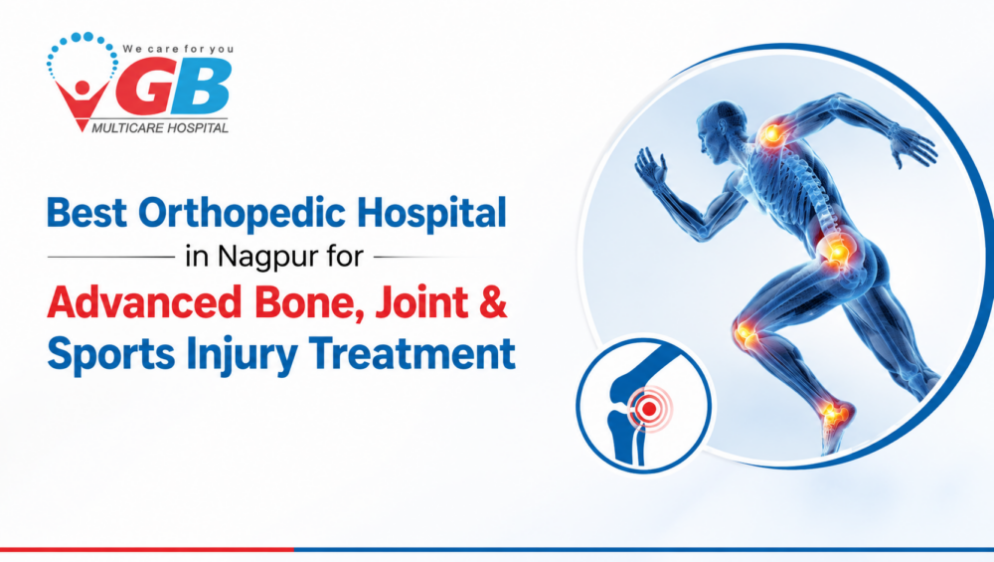
Leading Orthopedic Hospital in Nagpur for Expert Orthopedic Treatment

Orthopedic Hospital in Nagpur

Introduction

If you are dealing with joint pain, a fracture, sports injury, or spine problems, finding the right Orthopedic hospital in Nagpur makes all the difference. GB Multicare Hospital is recognizeds the best orthopedic hospital in Nagpur, offering world-class bone and joint treatments under one roof. With a team of highly qualified orthopedic surgeons and cutting-edge surgical technology, we are committed to getting you back on your feet — faster and stronger than before.

Whether you need a knee replacement, arthroscopy, robotic joint surgery, or fracture management, GB Multicare Hospital is the name Nagpur trusts for orthopedic excellence.

Why GB Multicare Hospital Is the Best Orthopedic Hospital in Nagpur

Patients across Nagpur and Central India choose GB Multicare Hospital for one simple reason — results they can feel. Our orthopedic department combines decades of surgical experience with the latest medical advancements to deliver safe, effective, and lasting relief.

Here is what sets us apart from other orthopedic hospitals in Nagpur:

    • Expert orthopedic team with nationally and internationally trained surgeons

    • Robotic-assisted joint replacement for precise, minimally invasive surgery

    • State-of-the-art operation theaters equipped with advanced imaging technology

    • Comprehensive care from diagnosis to rehabilitation under one roof

    • Proven outcomes with thousands of successful orthopedic procedures

Choosing the right orthopedic specialist in Nagpur is not just about treatment — it is about restoring your quality of life.

Our Specialized Orthopedic Services in Nagpur

1. Joint Replacement Surgery

2. Robotic-Assisted Orthopedic Surgery

We are proud to be among the very few centers in Central India offering robotic joint replacement surgery. Robotic assistance allows our surgeons to achieve sub-millimeter accuracy, reducing tissue damage and cutting recovery time significantly.

3. Arthroscopy & Sports Injury Treatment

Sports injuries need specialized care. Our arthroscopy surgeons in Nagpur treat ACL tears, meniscus injuries, rotator cuff tears, and other complex joint problems using minimally invasive techniques. Patients experience less pain and return to activity much
sooner.

4. Fracture Management & Trauma Surgery

Road accidents, falls, and workplace injuries demand quick, expert response. Our trauma team at GB Multicare Hospital provides 24/7 emergency orthopedic care in Nagpur for all types of fractures — from simple breaks to complex multi-fragment
injuries.

5. Spine Surgery

Chronic back pain, disc herniation, and spinal deformities require precision care. Our orthopedic specialists deliver advanced spine surgery and non-surgical treatments in Nagpur to help patients regain mobility and live pain-free.

6. Arthritis & Arthroplasty

For patients suffering from severe arthritis, our arthroplasty surgeons in Nagpur offer joint resurfacing and replacement procedures that dramatically improve movement and reduce pain.

Meet Our Expert Orthopedic Surgeons at GB Multicare Hospital

GB Multicare Hospital is home to some of the most experienced orthopedic doctors in Nagpur. Each surgeon brings specialized expertise to deliver the highest standard of patient care.

    • Dr. Satish Kale — Senior Orthopedic Surgeon

M.S. (Surg), F.R.C.S., M.Ch (Ortho) – University of Liverpool, UK

Dr. Satish Kale is a highly respected name in orthopedics with advanced training from the UK. His decades of experience in complex orthopedic surgeries make him one of the most sought-after orthopedic specialists in Nagpur.

    • Dr. Satyajeet Jagtap — Orthopedic Surgeon

MS (Ortho), DNB (Ortho)

Dr. Satyajeet Jagtap specializes in bone and joint disorders, bringing strong clinical expertise to every patient interaction. He is known for his patient-first approach and accurate surgical outcomes.

    • Dr. Tanay Nahatkar — Joint Replacement & Trauma Surgeon

MS (Ortho), FIJR (Robotic Surgery)

Dr. Tanay Nahatkar is a specialist in robotic joint replacement surgery in Nagpur and trauma management. His fellowship training in robotic surgery makes him uniquely equipped for complex joint procedures.

    • Dr. Piyush Nashikkar — Arthroscopy Surgeon

MBBS, MS (Ortho), DNB

Dr. Piyush Nashikkar is a dedicated arthroscopy surgeon in Nagpur, treating sports injuries and joint conditions with minimally invasive techniques for quicker patient recovery.

    • Dr. Amit Saoji — Arthroplasty Surgeon

MS (Ortho), DNB

Dr. Amit Saoji specializes in joint arthroplasty, offering advanced solutions for patients with severe joint damage, arthritis, and degenerative conditions requiring surgical intervention. \

Conditions We Treat at Our Orthopedic Hospital in Nagpur

GB Multicare Hospital provides expert diagnosis and treatment for a wide range of orthopedic conditions:

    • Knee pain and knee osteoarthritis

    • Hip joint disorders and hip arthritis

    • ACL and ligament tears

    • Shoulder dislocation and rotator cuff injuries

    • Spinal disc problems and sciatica

    • Bone fractures and complex trauma

    • Rheumatoid arthritis and joint inflammation

    • Carpal tunnel syndrome and hand injuries

    • Pediatric orthopedic conditions

    • Post-surgical orthopedic rehabilitation

No matter the condition, our orthopedic hospital in Nagpur is fully equipped to provide accurate diagnosis and effective treatment tailored to each patient.

Advanced Technology at GB Multicare Hospital

The best orthopedic hospital in Nagpur outcomes depend not just on skilled surgeons, but also on the technology they use. At GB Multicare Hospital, we invest in the most advanced orthopedic tools available:

    • Robotic surgical systems for joint replacement precision

    • High-definition arthroscopy equipment for minimally invasive joint surgery

    • Digital X-ray and MRI facilities for accurate diagnostics on-site

    • Dedicated orthopedic operation theaters with laminar airflow

    • Physiotherapy and rehabilitation center for complete recovery

Our infrastructure ensures that patients receive consistent, high-quality orthopedic care from day one through full recovery.

Patient Care That Goes Beyond Surgery

At GB Multicare Hospital, we believe that great orthopedic care does not end in the operation theater. Our dedicated rehabilitation team works closely with patients after surgery to restore strength, mobility, and confidence.

Our post-operative care includes:

    • Customized physiotherapy programs

    • Pain management and medication guidance

    • Regular follow-up consultations

    • Diet and lifestyle counseling for bone health

This holistic approach is one key reason why patients consistently rate us as the best orthopedic hospital in Nagpur.

Frequently Asked Questions (FAQs)

1. Which is the best orthopedic hospital in Nagpur?

GB Multicare Hospital is widely regarded as the best orthopedic hospital in Nagpur, offering advanced joint replacement, arthroscopy, trauma care, and robotic surgery under one roof.

2. Does GB Multicare Hospital offer robotic joint replacement surgery?

Yes. GB Multicare Hospital is one of the very few centers in Central India offering robotic-assisted knee and hip replacement surgery, performed by fellowship-trained surgeon Dr. Tanay Nahatkar.

3. How do I book an appointment with an orthopedic doctor at GB Multicare
Hospital?

You can book your consultation by calling our helpline or visiting our hospital in Nagpur. Our team is available 6 days a week for OPD appointments and 24/7 for emergency orthopedic care.

4. What orthopedic conditions are treated at GB Multicare Hospital?

We treat all orthopedic conditions including joint pain, fractures, sports injuries, spine problems, arthritis, ligament tears, and complex trauma cases.

5. Is GB Multicare Hospital equipped for emergency orthopedic treatment?

Yes. Our trauma and emergency orthopedic unit operates 24 hours a day, 7 days a week, to handle fractures, dislocations, and accident-related orthopedic injuries.

6. Do you offer physiotherapy and rehabilitation services?

Absolutely. GB Multicare Hospital has a dedicated physiotherapy and rehabilitation department to support full recovery after orthopedic surgeries and injuries.

7. Where is GB Multicare Hospital located in Nagpur?

GB Multicare Hospital is conveniently located in Nagpur. You can find us on Google Maps here: Get Directions to GB Multicare Hospital.

Visit GB Multicare Hospital — Nagpur’s Orthopedic Center of Excellence

When it comes to your bones, joints, and mobility, you deserve nothing but the best. GB Multicare Hospital combines expert orthopedic surgeons, advanced technology, and compassionate care to deliver outstanding results. From your first consultation to your final physiotherapy session, we walk every step of your recovery journey with you.

Do not let pain limit your life any longer.

Book Your Orthopedic Consultation Today

GB Multicare Hospital — Best Orthopedic Hospital in Nagpur

Find Us on Google Maps: Click Here for Directions

OPD Timings: Monday to Saturday | Emergency: 24/7

Don’t wait for the pain to get worse. Call GB Multicare Hospital today and take the first step toward a pain-free life!


Gastroenterology Hospital in Nagpur

Best Gastroenterology Hospital in Nagpur | GB Multicare Hospital

 Gastroenterology Hospital in Nagpur

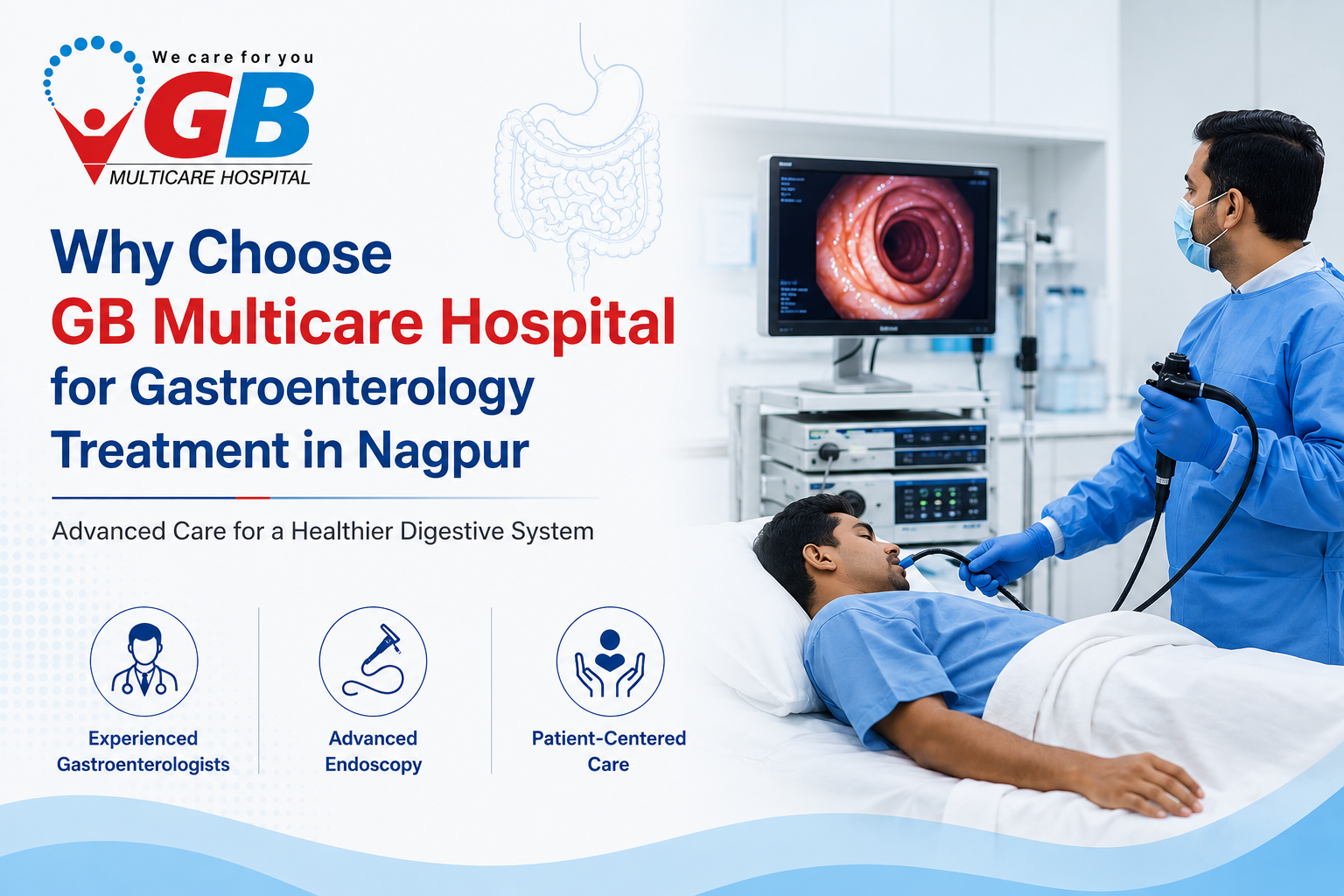
Introduction to the Best Gastroenterology Hospital in Nagpur

Digestive health plays an important role in overall wellness. Problems related to the stomach, liver, intestine, pancreas, and digestive tract can affect daily life and long-term health. If you are searching for the Best Gastroenterology Hospital in Nagpur, GB Multicare Hospital provides advanced digestive care with experienced specialists and modern treatment facilities.

GB Multicare Hospital is known for expert gastro care, accurate diagnosis, and patient-focused treatment. The hospital offers advanced services for acidity, stomach pain, liver disorders, ulcers, digestive infections, and gastrointestinal diseases. Moreover, patients across Nagpur trust the hospital for quality treatment and compassionate care.

The hospital combines modern technology with experienced gastro specialists to provide effective treatment for digestive disorders. Additionally, patients receive personalized treatment plans for faster recovery and better long-term health.

Why Choose GB Multicare Hospital for Gastroenterology Treatment in Nagpur

Choosing the right Gastroenterology Hospital in Nagpur is important for proper diagnosis and treatment. GB Multicare Hospital focuses on advanced digestive care with modern medical facilities and experienced specialists.

Key Highlights of GB Multicare Hospital

  • Advanced gastro diagnostic facilities
  • Expert gastroenterologists in Nagpur
  • Modern endoscopy and colonoscopy services
  • Personalized treatment plans
  • Emergency digestive care support
  • Patient-friendly environment
  • Advanced liver and stomach treatment

Furthermore, the hospital follows a patient-centered approach that helps improve treatment outcomes. The medical team also focuses on early diagnosis and preventive digestive healthcare.

Advanced Gastroenterology Treatments Available

GB Multicare Hospital provides comprehensive Digestive Disorder Treatment in Nagpur for various gastrointestinal conditions. The hospital uses advanced medical technology and modern treatment methods for effective results.

Treatments Offered

1. Acid Reflux and GERD Treatment

Persistent acidity and heartburn can affect quality of life. The hospital offers effective diagnosis and treatment for acid reflux disorders.

2. Liver Disease Treatment

The hospital provides expert care for fatty liver disease, hepatitis, liver infections, and other liver-related conditions.

3. Ulcer Treatment

Stomach ulcers and intestinal ulcers require timely treatment. Early diagnosis helps prevent complications.

4. IBS and Digestive Disorder Care

Patients suffering from bloating, constipation, diarrhea, and abdominal discomfort receive specialized digestive care.

5.Pancreatic Disease Treatment

Advanced treatment is available for pancreatic inflammation and related digestive issues.

6.Gastrointestinal Infection Management

The hospital offers treatment for bacterial, viral, and intestinal infections affecting digestion.

Moreover, the hospital provides complete care for both acute and chronic digestive diseases.

Common Digestive Disorders Treated at GB Multicare Hospital

Many digestive conditions can become serious if ignored. Therefore, early consultation with a Gastro Specialist Doctor in Nagpur is important.

Common Conditions Treated

  • Stomach pain
  • Acidity and gas problems
  • Constipation
  • Diarrhea
  • Liver disorders
  • Gastrointestinal bleeding
  • Ulcers
  • Fatty liver disease
  • Jaundice
  • Digestive tract infections
  • Pancreatic disorders
  • Colon disorders

Additionally, the hospital provides preventive digestive health guidance for long-term wellness.

Advanced Diagnostic Facilities for Digestive Care

Accurate diagnosis is essential for successful treatment. GB Multicare Hospital uses advanced technology for digestive disease diagnosis and treatment planning.

Diagnostic Services Available

1. Endoscopy

This procedure helps doctors examine the digestive tract for ulcers, infections, inflammation, and bleeding.

2.Colonoscopy

Colonoscopy helps detect colon disorders, polyps, and intestinal diseases.

3.Liver Function Testing

Advanced liver tests help identify liver disease at an early stage.

4.Ultrasound and Imaging

Modern imaging systems support accurate digestive disease diagnosis.

5.Blood Investigations

Comprehensive blood tests help detect infections and digestive abnormalities.

Furthermore, the hospital ensures fast and reliable diagnostic services for better patient care.

Expert Gastroenterologists at GB Multicare Hospital

GB Multicare Hospital has experienced Gastro Specialists who provide expert digestive care in Nagpur.

Gastro Specialists

  • Dr. Vaibhav Banait – MD, DNB (Gastroenterology)

  • Dr. Gaurav Padia – MD, DM (Gastroenterology)

Both specialists focus on accurate diagnosis, advanced treatment, and patient-centered gastro care. Their experience and clinical expertise help patients receive effective treatment for digestive disorders.

Advanced Endoscopy and Liver Care Services

Modern endoscopy procedures help detect digestive diseases early. Therefore, timely diagnosis improves treatment success.

GB Multicare Hospital offers advanced endoscopy facilities with modern equipment and expert medical supervision. The hospital also provides specialized Liver Treatment Hospital in Nagpur services for patients with liver diseases.

Services Include

  • Diagnostic endoscopy
  • Colonoscopy
  • Liver disease management
  • Gastrointestinal infection treatment
  • Digestive tract evaluation
  • Chronic acidity treatment

Additionally, patients receive guidance for diet management and digestive health improvement.

Patient-Centered Digestive Care in Nagpur

GB Multicare Hospital focuses on patient comfort, safety, and long-term wellness. The Best Gastroenterology Hospital in Nagpur provides a supportive healthcare environment for digestive disease treatment.

Benefits for Patients

  • Experienced medical team
  • Personalized consultation
  • Modern treatment facilities
  • Advanced gastro technology
  • Compassionate patient care
  • Easy appointment scheduling

Moreover, the hospital ensures proper follow-up care after treatment for better recovery.

When Should You Visit a Gastroenterologist in Nagpur?

Many digestive symptoms should not be ignored. Early medical attention helps prevent serious complications, Best Gastroenterology Hospital in Nagpur

Visit a Gastro Specialist if You Have

  • Frequent acidity
  • Persistent stomach pain
  • Difficulty swallowing
  • Blood in stool
  • Unexplained weight loss
  • Chronic constipation
  • Frequent vomiting
  • Liver-related symptoms
  • Digestive discomfort after meals

Therefore, consulting an experienced Gastroenterologist in Nagpur at the right time can improve treatment outcomes significantly.

Trusted Gastro Care in Nagpur

Patients across Nagpur trust GB Multicare Hospital for advanced digestive care and reliable medical treatment. The hospital combines modern healthcare technology with expert consultation and patient-focused services.

The hospital is conveniently accessible for patients seeking advanced Digestive Care Hospital in Nagpur services. Additionally, the location supports easy access for nearby patients and families.

Google Map Location:
GB Multicare Hospital Location

Frequently Asked Questions

1. Which is the Best Gastroenterology Hospital in Nagpur?

GB Multicare Hospital is known for advanced digestive care, expert gastro specialists, and modern gastro treatment facilities in Nagpur.

2. When should I visit a gastroenterologist?

You should consult a gastro specialist if you experience acidity, stomach pain, constipation, liver problems, or digestive discomfort regularly.

3. Does GB Multicare Hospital provide endoscopy services?

Yes, the hospital offers advanced endoscopy and digestive diagnostic services.

4. What digestive disorders are treated at GB Multicare Hospital?

The hospital treats acidity, ulcers, liver diseases, digestive infections, IBS, stomach disorders, and gastrointestinal conditions.

5. Who are the gastro specialists at GB Multicare Hospital?

Dr. Vaibhav Banait and Dr. Gaurav Padia are experienced gastro specialists available at the hospital.

Book Appointment at GB Multicare Hospital

If you are looking for the Best Gastroenterology Hospital in Nagpur, consult the experienced gastro specialists at GB Multicare Hospital today.

Contact for:

  • Digestive disorder treatment
  • Liver disease management
  • Endoscopy consultation
  • Stomach pain treatment
  • Gastro specialist consultation

Book your appointment today for advanced digestive care and expert medical support.

critical care hospital in Nagpur

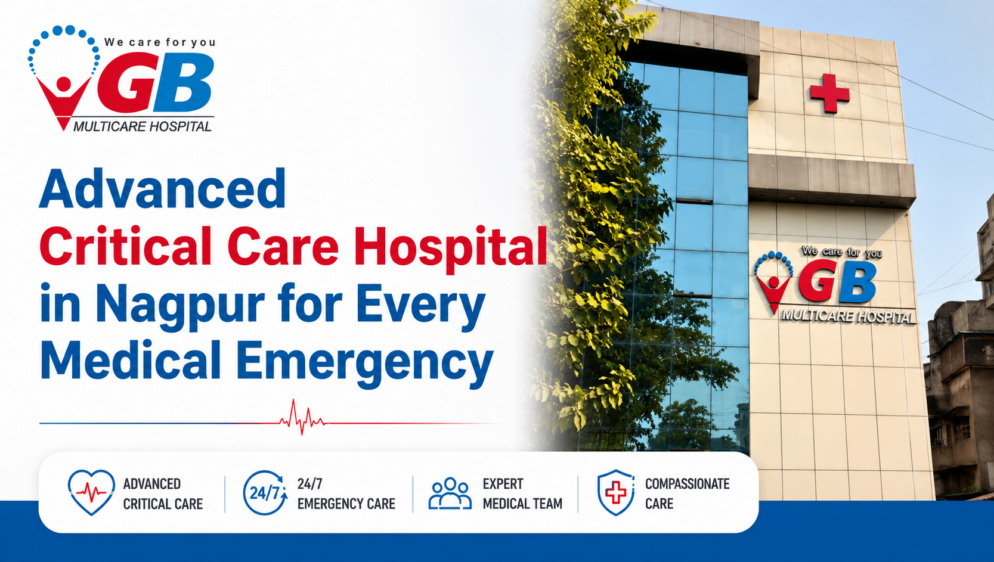
Advanced Critical Care Hospital in Nagpur for Every Medical Emergency

critical care hospital in Nagpur

Introduction: Why Choosing the Right Critical Care Hospital in Nagpur Matters

When a loved one faces a life-threatening emergency, choosing the critical care hospital in Nagpur becomes the most important decision you will ever make. Every minute matters. Every intervention counts. At GB Multicare Hospital, Nagpur, we understand that critical care is not just a medical service — it is a promise to fight for every patient, every hour of the day.

Located in the heart of Gandhi Nagar, Nagpur, GB Multicare Hospital has built a strong reputation as a trusted ICU hospital in Nagpur. The hospital serves patients from Nagpur, Vidarbha, Madhya Pradesh, Chhattisgarh, and surrounding rural regions of Central India. Our state-of-the-art Intensive Care Unit, combined with a team of experienced critical care hospital in Nagpur, makes us the preferred destination when the stakes are highest.

Why the Best Critical Care Hospital in Nagpur Matters More Than Ever

Medical emergencies do not announce themselves. A sudden cardiac event, a road accident, a severe infection — any of these can push a patient into a life-threatening state within minutes. In those moments, the best critical care hospital in Nagpur you choose can mean everything.

GB Multicare Hospital has served Nagpur and Central India since 2012 as a trusted multispecialty hospital in Nagpur built specifically to handle medical emergencies with speed, precision, and compassion. Our dedicated intensive care unit Nagpur equipped, staffed, and operational every single hour the year — because critical situations never wait for business hours.

Patients travel to GB Multicare from across Vidarbha, Madhya Pradesh, Chhattisgarh, and rural Central India. They come here because they trust our team to deliver the best critical care treatment in Nagpur — and we take that trust seriously.

What Is Critical Care and Why Does It Require a Specialist Hospital?

Critical care, also known as intensive care, branch of medicine focused on patients whose conditions are life-threatening and require continuous monitoring and organ support. It is fundamentally different from general medical care.

A standard hospital ward can manage stable patients. However, a true best critical care hospital in Nagpur must offer far more. It requires trained ICU specialists in Nagpur, advanced ventilators, real-time cardiac monitoring, dialysis support, and the ability to respond to rapid deterioration — all simultaneously. Without these, critical patients do not receive the level of intervention they urgently need.

This precisely why GB Multicare Hospital built fully dedicated advanced ICU in Nagpur — separate from general wards, staffed by qualified intensivists, and equipped with the technology that genuinely saves lives.

GB Multicare Hospital — Nagpur’s Leading Critical Care and ICU Facility

GB Multicare Hospital is NABH Pre-Accredited hospital in Nagpur, located centrally at Gandhi Nagar near the NIT Swimming Pool. Since its establishment in 2012, the hospital has grown into one of the most reliable destinations for emergency ICU care in Nagpur and surrounding regions.

The hospital’s 8-bed Intensive Care Unit is purpose-built for high-acuity patients. Every bed is equipped with continuous monitoring, ventilator support, and direct access to the hospital’s Laminar Operation Theatre. Furthermore, the hospital’s average admission time is just 2 minutes — a figure that reflects how seriously we treat time-sensitive emergencies.

GB Multicare is not just another multispecialty hospital in Nagpur. It is a facility designed with critical care at its core, supported by a team of dedicated intensivists who specialize exclusively in best critical care hospital in Nagpur.

Location: Plot No. 25, Hill Road, Yashwant Nagar, Gandhi Nagar, Nagpur – 440010

View on Google Maps
Emergency Helpline: 0712-2222243 / 0712-222224 

Advanced ICU Equipment and Technology at GB Multicare

The quality of ICU care in Nagpur depends directly on the technology available at the bedside. At GB Multicare Hospital, we have invested in the most current critical care equipment to ensure that no intervention is delayed due to infrastructure limitations.

Our advanced ICU in Nagpur is equipped with the following:

    • Mechanical Ventilators with Endotracheal and Tracheostomy support

    • Advanced Cardiac Monitors with continuous Telemetry

    • External Pacemakers and Defibrillators

    • Dialysis Equipment for acute Renal Support

    • Computerized Bedside Monitoring System with real-time alerts

    • Barcode-Scanned Medication Administration — eliminating drug errors

    • Intravenous Lines, Feeding Tubes, Nasogastric Tubes and Suction Pumps

    • Laminar-Flow Operation Theatre directly accessible from ICU

    • C-Arm Imaging and Endoscopy Support on-site

Each piece of equipment is maintained, calibrated, and ready for immediate deployment.
Consequently, when a patient arrives at our emergency ICU in Nagpur, the team wastes no
time preparing — everything is already in place.

1. Critical Care Services We Provide in Nagpur

As a full-service critical care hospital in Nagpur, GB Multicare treats a wide range of serious
and life-threatening medical conditions. Below is an overview of the key critical care services
our team manages every day.

2. Medical ICU Care

Our medical ICU handles some of the most complex internal medicine emergencies seen across Central India. Conditions we manage include severe respiratory failure and ARDS, sepsis and septic shock, multi-organ dysfunction syndrome (MODS), acute kidney injury, diabetic ketoacidosis (DKA) and hyperglycaemic hyperosmolar state (HHS), hypertensive emergencies,
and acute stroke management. Each patient is assigned to a dedicated critical care specialist in Nagpur from day one of admission.

3. Surgical and Post-Operative ICU

Surgery carries risk. Post-operative complications — bleeding, infection, cardiovascular instability — can escalate rapidly. Our surgical ICU provides continuous monitoring for patients recovering from cardiac, abdominal, orthopaedic, and oncological procedures. Our ICU doctors in Nagpur work alongside surgeons to detect and manage complications at the earliest possible stage.

4. Trauma and Emergency Critical Care

Road accidents, falls, and polytrauma cases require immediate stabilisation. GB Multicare’s 24-hour ICU in Nagpur is equipped to receive trauma patients directly and begin resuscitation without delay. Our emergency critical care pathway is designed to reduce the gap between patient arrival and definitive intervention — because in trauma, that gap is where lives are saved or lost.

5. Cardiac and Respiratory Critical Care

Acute myocardial infarction, severe heart failure, life-threatening arrhythmias, and acute respiratory distress are managed with advanced cardiac monitoring and ventilator support. Our ICU specialist in Nagpur team is experienced in haemodynamic stabilisation and mechanical ventilation management for both cardiac and pulmonary critical illness.

Meet the Critical Care Specialists at GB Multicare Hospital Nagpur

The strength of any ICU hospital in Nagpur lies in the calibre of its doctors. GB Multicare Hospital is proud to have a dedicated team of critical care medicine specialists in Nagpur, each holding postgraduate qualifications specifically in Critical Care or Internal Medicine.

Doctor Qualifications Specialization
Dr. Ajay Sakhare M.D. Medicine, DNB, FICS Critical Care Medicine
Dr. Aditya Jadhao MBBS, M.D. Medicine Critical Care Medicine
Dr. Atul T. Panchbhai MBBS, M.D. Medicine Critical Care Medicine
Dr. Manish Pahukar MBBS, M.D. Medicine Internal Medicine & Critical Care

Together, this team brings a depth of clinical expertise in critical care hospital in Nagpur that is rare outside major metropolitan hospitals. They work in close coordination with surgeons, cardiologists, nephrologists, and nursing staff — delivering truly integrated care for every critically ill patient.

Why GB Multicare Is the Most Trusted ICU Hospital in Nagpur

Families across Nagpur and Central India consistently return to GB Multicare when critical care is needed. Several factors explain why this hospital has earned such strong trust over the years.

1. NABH Pre-Accreditation — A Verified Quality Standard

GB Multicare Hospital holds NABH Pre-Accreditation Entry Level status. NABH is India’s national accreditation body for hospitals, and its standards cover clinical protocols, patient safety, infection control, and care quality. This accreditation is independently audited — not self-declared. Therefore, when you choose GB Multicare.

2. Central Location — Accessible from Across Nagpur

Time is tissue, and distance is the enemy of critical care. GB Multicare Hospital is centrally located at Gandhi Nagar, making it one of the fastest-accessible ICU hospitals in Nagpur for patients arriving from the city centre, surrounding localities, and districts across Vidarbha.

3. Streamlined Admission and Discharge

Average admission time at GB Multicare is just 2 minutes. Average discharge time is under 1 hour. These numbers matter because delays in admission waste precious intervention time, while delays in discharge increase the risk of hospital-acquired infections. Efficiency here is not administrative — it is clinical.

4. Multispecialty Integration

Critical patients rarely have only one problem. GB Multicare’s multispecialty structure means that a patient in our intensive care unit in Nagpur has direct, on-site access to orthopaedics, general surgery, laparoscopy, endoscopy, and more. There is no need for risky inter-hospital transfers during active emergencies.

Warning Signs That Require Immediate ICU Care in Nagpur

Many families delay calling an emergency ICU hospital because they are unsure whether the situation is serious enough. However, certain symptoms should never be monitored at home. Seek immediate critical care hospital in Nagpur if you observe any of the following:

    • Sudden or severe difficulty breathing at rest

    • Chest pain with sweating, nausea, or irregular heartbeat

    • Loss of consciousness or sudden confusion and disorientation

    • Suspected stroke — face drooping, arm weakness, slurred speech

    • Severe traumatic injury from a road accident or fall

    • High fever above 103°F with shivering, low blood pressure, or altered consciousness
      (signs of sepsis)

    • Blood sugar above 400 mg/dL with vomiting or drowsiness

    • Uncontrolled bleeding that does not stop with basic pressure

    • Any condition where the patient is unresponsive or deteriorating rapidly

In any of these situations, call GB Multicare’s emergency line immediately. Do not wait to see if the situation improves. Our best ICU doctors in Nagpur are trained to stabilise patients quickly — but only if you reach us in time.

Patient Experience at GB Multicare’s ICU in Nagpur

Critical care is not only about technology and medicine. It is also about communication, transparency, and emotional support for the patient’s family. At GB Multicare Hospital, we treat families as partners in care.

Our team provides regular updates to families on the patient’s condition, treatment plan, and progress. We explain procedures clearly, answer questions honestly, and ensure that no family feels left in the dark during one of the most stressful experiences they will face. This approach, combined with our clinical excellence, is why GB Multicare is consistently recommended as the
best hospital in Nagpur for emergency care by patients and families across the region.

Frequently Asked Questions

1. Which is the best critical care hospital in Nagpur?

GB Multicare Hospital, Gandhi Nagar, is one of Nagpur’s most trusted critical care hospitals. It
offers an 8-bed fully equipped ICU, 24/7 emergency services, NABH Pre-Accreditation, and a
team of MD-qualified critical care specialists.

2. Does GB Multicare Hospital have a 24-hour ICU in Nagpur?

Yes. The ICU operates 24 hours a day, 7 days a week, with intensivists, trained nurses, and full
monitoring equipment continuously active. The emergency line is available at all times and best critical care hospital in Nagpur

3. What conditions are treated in the critical care unit at GB Multicare Nagpur?

The team manages respiratory failure, sepsis, cardiac emergencies, post-surgical ICU care,
acute kidney injury, diabetic crises, stroke, trauma, and multi-organ dysfunction, among other
serious conditions.

4. Where is GB Multicare Hospital located in Nagpur?

Plot No. 25, Hill Road, Yashwant Nagar, Gandhi Nagar, Nagpur – 440010, near the NIT Swimming
Pool. View on Google Maps →

5. Who are the ICU doctors at GB Multicare Hospital Nagpur?

The critical care team includes Dr. Ajay Sakhare (MD, DNB, FICS), Dr. Aditya Jadhao (MD
Medicine), Dr. Atul T. Panchbhai (MD Medicine), and Dr. Manish Pahukar (MD Medicine) — all
specializing in Critical Care Medicine.

6. GB Multicare Hospital NABH accredited?

GB Multicare Hospital holds NABH Pre-Accreditation Entry Level status — a nationally
recognized quality standard covering patient safety, clinical protocols, hygiene, and care quality.

7. How quickly can GB Multicare Hospital admit a critical care patient?

Average admission time at GB Multicare Hospital is just 2 minutes — designed specifically to
ensure that no time wasted when a patient arrives in a critical condition.

Conclusion: GB Multicare Hospital — Nagpur’s First Choice for Critical Care

When a medical emergency strikes, you need more than a hospital. You need the best critical care hospital in Nagpur — one that combines advanced technology, experienced critical care specialists in Nagpur, a central location, and verified quality standards.

GB Multicare Hospital delivers all of this. From the moment a patient arrives at our 24-hour ICU in Nagpur, every resource — equipment, specialists, support staff — is focused on one goal: saving and stabilising that patient. Our NABH-accredited hospital in Nagpur stands ready every hour of every day, because critical care emergencies follow no schedule.

Do not wait until a crisis forces you to search for an ICU hospital in Nagpur. Save our number today. Know where we are. And trust that when the moment comes, GB Multicare Hospital will be ready for you and your family.


Neurosurgery Hospital in Nagpur

Best Neurosurgery Hospital in Nagpur: Advanced Brain and Spine Care at GB Multicare Hospital

Neurosurgery Hospital in Nagpur

Introduction

When it comes to neurological disorders, choosing the Best Neurosurgery Hospital in Nagpur can make a significant difference in treatment outcomes and recovery. At GB Multicare Hospital, we provide comprehensive neurosurgical care supported by
advanced technology, experienced specialists, and patient-focused treatment plans.

Our expert team manages a wide range of brain, spine, nerve, and trauma-related conditions with precision and compassion. Whether you need treatment for a brain tumor, spinal disorder, stroke complications, or traumatic brain injury, our dedicated
specialists deliver world-class care close to home. As a trusted Neurosurgery Hospital in Nagpur, we combine expertise, innovation, and personalized attention to help patients achieve the best possible outcomes.

Why Choose GB Multicare Hospital for Neurosurgery in Nagpur?

Finding the right hospital is essential for successful neurological treatment. GB Multicare Hospital offers advanced infrastructure, expert neurosurgeons, and comprehensive support services under one roof.

Key Advantages of Our Neurosurgery Department

    • Advanced neurosurgical operating facilities

    • Modern neuro-diagnostic technology

    • Personalized treatment plans

    • Emergency neurological care

    • Comprehensive brain and spine treatment

    • Dedicated rehabilitation support

    • Experienced neurosurgical specialists

    • Patient-centered approach

These strengths make GB Multicare Hospital a preferred choice for patients seeking the
Best Neurosurgery Hospital in Nagpur.

Comprehensive Neurosurgery Services

Our Neurosurgery Department provides specialized care for various neurological conditions.

1. Brain Tumor Surgery

The brain tumors require accurate diagnosis and timely intervention. Our specialists use advanced surgical techniques to remove tumors while preserving critical brain functions whenever possible.

2. Spine Surgery

Spinal disorders can significantly affect daily life. We offer treatment for:

    • Herniated discs

    • Spinal stenosis

    • Spinal trauma

    • Degenerative spine diseases

    • Spine tumors

    • Vertebral fractures

3. Stroke and Neurovascular Care

Early treatment is critical for stroke management. Our team provides comprehensive evaluation and surgical intervention for complex neurovascular conditions.

    • Head Injury and Trauma Care

Traumatic brain injuries require immediate medical attention. Our emergency and neurosurgery teams work together to provide rapid diagnosis and treatment.

    • Peripheral Nerve Surgery

We diagnose and treat nerve-related disorders that affect movement, sensation, andquality of life.

Advanced Technology for Better Outcomes

Technology plays an important role in modern neurosurgery. At GB Multicare Hospital, we utilize advanced diagnostic and surgical equipment to support accurate treatment planning.

Our Advanced Facilities Include:

    • High-resolution neuro imaging

    • Advanced operation theatres

    • Critical care monitoring systems

    • Modern surgical instruments

    • Neuro rehabilitation support

These technologies help improve surgical precision, reduce complications, and support faster recovery.

Experienced Neurosurgery Specialists

The expertise of a Neurosurgeon is one of the most important factors in successful treatment.

Our Neurosurgery Team

    • Dr. Shailesh Kelkar – M.Ch (Neuro Surgery)

Dr. Shailesh Kelkar specializes in the diagnosis and surgical management of complex brain and spine disorders. His extensive experience helps patients receive safe and effective treatment for various neurological conditions.

    • Dr. Priyesh Dhoke – MBBS, MS

Dr. Priyesh Dhoke is committed to providing comprehensive patient care and supporting advanced neurological treatment services. His patient-focused approach contributes to successful treatment outcomes.

Together, our specialists work closely with neurologists, critical care experts, radiologists, and rehabilitation professionals to deliver complete neurological care.

Book an Appointment

Conditions Treated at Our Neurosurgery Hospital

As a leading Neurosurgery Hospital in Nagpur, we manage a wide range of conditions, including:

Brain Disorders

    • Brain tumors

    • Stroke & Brain Hemorrhage

    • Hydrocephalus

    • Traumatic brain injuries

Spine Disorders

    • Slip disc

    • Spinal cord compression

    • Degenerative spine diseases

    • Spine fractures

    • Spinal tumors

Nerve Disorders

    • Peripheral nerve injuries

    • Nerve compression syndromes

    • Neurological trauma

Patient-Centered Care and Recovery Support

Successful neurosurgery extends beyond the operating room. Recovery requires continuous monitoring, rehabilitation, and patient education.

Our multidisciplinary team supports patients through:

    • Pre-surgical counseling

    • Post-operative monitoring

    • Rehabilitation programs

    • Pain management

    • Long-term follow-up care

This comprehensive approach helps improve recovery and overall quality of life.

Emergency Neurosurgery Services in Nagpur

Neurological emergencies require immediate action. Our emergency care team provides rapid assessment and treatment for:

    • Head injuries

    • Brain hemorrhage

    • Acute stroke complications

    • Spinal trauma

    • Neurological emergencies

With access to advanced diagnostics and specialist support, patients receive timely
medical attention when every minute matters.

Local Neurosurgery Care in Nagpur

Patients searching for the Best Neurosurgery Hospital in Nagpur often look for trusted specialists, modern facilities, and convenient access to treatment. GB Multicare Hospital proudly serves patients from:

    • Nagpur

    • Wardha

    • Bhandara

    • Gondia

    • Chandrapur

    • Amravati

    • Yavatmal

    • Central India region

Visit Our Hospital

For consultations, treatment information, and directions, patients can visit our Google Business Profile and connect with our healthcare team for assistance.

GB Multicare Hospital continues to be a trusted destination for advanced neurological and neurosurgical care in Nagpur.

Why Patients Trust GB Multicare Hospital

Patients choose GB Multicare Hospital because of:

    • Experienced neurosurgeons

    • Advanced medical technology

    • Comprehensive treatment options

    • Emergency neurological care

    • Personalized treatment plans

    • Modern infrastructure

    • Dedicated rehabilitation support

    • Patient-focused services

Our commitment to quality healthcare has established us as a reliable Best Neuro
Surgery Hospital in Nagpur.

Frequently Asked Questions (FAQs)

1.Which is the Best Neurosurgery Hospital in Nagpur?

GB Multicare Hospital is recognized for advanced brain and spine care, experienced specialists, modern technology, and comprehensive patient support.

2.When should I consult a neurosurgeon?

You should consult a neurosurgeon if you experience persistent headaches, spinal pain, nerve weakness, seizures, traumatic head injuries, or neurological symptoms requiring surgical evaluation.

3.Does GB Multicare Hospital provide spine surgery?

Yes. Our specialists offer advanced diagnosis and treatment for various spinal disorders, including disc problems, spinal stenosis, and spinal injuries.

4.What neurological conditions are treated at GB Multicare Hospital?

We treat brain tumors, stroke complications, spinal disorders, nerve injuries, traumatic brain injuries, and several other neurological conditions.

5.Do you provide emergency neurosurgery services?

Yes. Our emergency department and neurosurgery team are available to manage urgent neurological conditions requiring immediate medical attention.

Conclusion

Choosing the Best Neurosurgery Hospital in Nagpur is an important decision for patients facing neurological conditions. At GB Multicare Hospital, we combine advanced technology, experienced specialists, personalized treatment plans, and compassionate care to deliver exceptional outcomes. With expert guidance from Dr. Shailesh Kelkar (M.Ch Neurosurgery) and Dr. Priyesh Dhoke (MBBS, MS), patients receive comprehensive brain and spine care tailored to their needs.

Diabetes – Silent Killer and Hypertension

Diabetes – Silent Killer and Hypertension


Diabetes, often referred to as the “silent killer,” is a chronic condition that disrupts the way the body processes blood glucose (sugar). Over time, uncontrolled diabetes can lead to serious health complications, many of which go unnoticed until they become severe. One of the most dangerous associations of diabetes is its strong link to hypertension (high blood pressure), another silent but deadly health concern.

Understanding Diabetes and Its Silent Progression

There are two main types of diabetes – Type 1 and Type 2. Type 1 is usually diagnosed in childhood and is an autoimmune condition, whereas Type 2, which accounts for the majority of cases, often develops in adulthood and is closely linked to lifestyle factors such as obesity, poor diet, and lack of physical activity.

The reason diabetes is termed a “silent killer” is due to its gradual onset and often asymptomatic early stages. Many individuals may not realize they have diabetes until complications like vision loss, kidney damage, nerve issues, or cardiovascular problems begin to surface.

The Dangerous Link Between Diabetes and Hypertension

Hypertension, or high blood pressure, commonly coexists with diabetes. Studies show that nearly 2 out of 3 people with diabetes also have hypertension. This combination significantly increases the risk of heart attacks, strokes, kidney failure, and other serious conditions.

The presence of high blood sugar damages arteries over time, making them less elastic and more prone to plaque buildup – a condition known as atherosclerosis. This condition raises blood pressure and increases the strain on the heart and blood vessels.

Complications from Combined Conditions

When diabetes and hypertension are both present, the risk of complications multiplies. Some of the most common complications include:

  • Cardiovascular diseases such as heart attack and stroke

  • Kidney damage (diabetic nephropathy) leading to chronic kidney disease

  • Eye problems including diabetic retinopathy, which can cause blindness

  • Peripheral artery disease and poor circulation

  • Neuropathy, which can lead to limb amputation if untreated

These complications not only reduce the quality of life but can also become life-threatening if not properly managed.

Preventive Measures and Management

Both diabetes and hypertension are largely manageable with early detection, lifestyle modifications, and medical interventions. Some key preventive measures include:

  • Regular health check-ups, especially for those with a family history of diabetes or high blood pressure

  • Maintaining a healthy weight through a balanced diet and regular exercise

  • Limiting sugar, salt, and processed food intake

  • Quitting smoking and reducing alcohol consumption

  • Stress management techniques such as yoga, meditation, or counseling

  • Taking medications as prescribed and monitoring blood sugar and blood pressure regularly

Conclusion

Diabetes and hypertension are chronic yet manageable conditions. When left uncontrolled, their silent progression can lead to irreversible damage. Awareness, early diagnosis, and consistent management are crucial to preventing severe complications. Living a healthy lifestyle and staying informed are the best defenses against these two major health threats.

Risk of Cardiovascular Diseases in Uncontrolled Diabetes

Risk of Cardiovascular Diseases in Uncontrolled Diabetes


Diabetes is a chronic condition that significantly impacts the body’s ability to regulate blood sugar levels. When diabetes remains uncontrolled, it can lead to various serious health complications, with cardiovascular diseases (CVDs) being among the most life-threatening. Individuals with poorly managed diabetes are at a significantly higher risk of developing heart-related issues, including heart attacks, strokes, and peripheral artery disease.

The Link Between Uncontrolled Diabetes and Heart Disease

Uncontrolled diabetes leads to persistently high blood glucose levels, which over time can damage the blood vessels and the nerves that control the heart. This damage makes it easier for fatty deposits to form inside the arteries, a process known as atherosclerosis. Narrowed or blocked arteries reduce blood flow to the heart and brain, increasing the risk of heart attacks and strokes.

Risk Factors Associated with Diabetes and CVD

Several risk factors make cardiovascular diseases more likely in individuals with uncontrolled diabetes. These include:

  • High blood pressure (hypertension): Common in diabetics, it puts extra strain on the heart.

  • High cholesterol levels: Diabetes often leads to abnormal cholesterol and triglyceride levels, which contribute to plaque formation.

  • Obesity: Excess body weight, particularly around the abdomen, increases the risk of heart disease.

  • Sedentary lifestyle and poor diet: Lack of physical activity and consumption of high-fat, high-sugar foods further aggravate cardiovascular risk.

Common Cardiovascular Complications in Diabetics

People with uncontrolled diabetes are vulnerable to several cardiovascular complications, such as:

  • Coronary artery disease (CAD): Narrowing of heart arteries that can lead to chest pain or heart attack.

  • Heart failure: The heart’s ability to pump blood is weakened due to prolonged strain.

  • Peripheral artery disease (PAD): Reduced blood flow to the limbs, often leading to pain and mobility issues.

  • Stroke: A blockage or bleeding in the brain’s blood vessels due to damaged arteries.

Importance of Blood Sugar Management

Maintaining healthy blood sugar levels is critical in reducing cardiovascular risks. This involves regular monitoring, adherence to prescribed medications, maintaining a balanced diet, and engaging in routine physical activity. Effective blood sugar control also helps in managing blood pressure and cholesterol levels, which are directly linked to heart health.

Prevention and Lifestyle Modifications

Preventing cardiovascular diseases in diabetics largely depends on lifestyle modifications and consistent medical management. Key steps include:

  • Healthy eating habits: Focus on whole grains, lean proteins, fruits, and vegetables.

  • Regular exercise: At least 30 minutes of moderate-intensity activity most days of the week.

  • Weight management: Achieving and maintaining a healthy weight can lower heart disease risk.

  • Quitting smoking: Smoking significantly worsens heart health, especially in diabetics.

  • Routine health checkups: Regular screening for blood pressure, cholesterol, and HbA1c levels.

Conclusion

Uncontrolled diabetes poses a serious risk to cardiovascular health. However, through proactive management and healthy lifestyle changes, these risks can be significantly reduced. Early detection and consistent care are crucial in preventing long-term complications and improving the quality of life for individuals with diabetes.

Women’s Health Matters: Key Health Tips for Every Stage of Life

Women’s health is a critical aspect of overall well-being that deserves attention and care at every stage of life. From the transformative teenage years to the golden phase of menopause and beyond, women encounter unique health challenges and opportunities. Embracing a proactive approach to wellness not only enhances quality of life but also ensures long-term health. Here are essential health tips tailored for every stage of a woman’s life, focusing on preventive care, nutrition, fitness, and mental well-being.

Teenage Years: Building a Strong Foundation

The teenage years are a time of rapid physical, emotional, and hormonal changes. Prioritizing health during this phase lays a solid foundation for future well-being. Nutrition is a cornerstone; young women should focus on a balanced diet rich in calcium, iron, and essential vitamins to support growth and hormonal balance. Foods like leafy greens, lean proteins, dairy, and fortified cereals are excellent choices. Avoiding processed foods and sugary drinks helps prevent early-onset obesity and related complications.

Equally important is addressing mental health during this stage. The pressures of academics, social life, and self-image can take a toll on emotional well-being. Encourage open communication and seek professional guidance if needed. Regular physical activity, such as yoga, swimming, or team sports, can boost mood, build confidence, and improve overall health. Vaccinations, such as the HPV vaccine, and routine health check-ups are vital preventive measures to guard against future health risks.

Reproductive Years: Prioritizing Wellness and Planning

The reEqually important is addressing mental health during this stage. The pressures of academics, social life, and self-image can take a toll on emotional well-being. Encourage open communication and seek professional guidance if needed. Regular physical activity, such as yoga, swimming, or team sports, can boost mood, build confidence, and improve overall health. Vaccinations, such as the HPV vaccine, and routine health check-ups are vital preventive measures to guard against future health risks.

productive years, typically spanning the 20s to early 40s, bring unique health priorities. Nutrition should focus on maintaining a healthy weight and supporting reproductive health. Include foods rich in folic acid, omega-3 fatty acids, and antioxidants to enhance fertility and overall wellness. Whole grains, nuts, fish, and colorful vegetables can play a significant role in meeting these needs. Adequate hydration and limiting alcohol and caffeine intake are also crucial.

This phase often involves planning for family and managing work-life balance. Regular gynecological exams, including Pap smears and breast self-examinations, are essential for early detection of conditions like cervical or breast cancer. Mental health remains a key focus, with practices like mindfulness and stress management helping to navigate career and personal responsibilities. Physical activity should be a mix of strength training, cardio, and flexibility exercises to maintain energy and reduce the risk of chronic diseases.

Middle Age: Navigating Hormonal Shifts

As women enter their 40s and 50s, hormonal changes such as perimenopause and menopause can significantly impact health. This stage demands a focus on bone health and cardiovascular care. Calcium and vitamin D intake should be prioritized to prevent osteoporosis. Incorporating foods like dairy, fatty fish, and fortified plant-based options, along with weight-bearing exercises, can strengthen bones.

Heart health is another critical area, as the risk of cardiovascular disease increases post-menopause. Monitor cholesterol levels, blood pressure, and sugar levels regularly. A diet rich in whole grains, fruits, vegetables, and lean proteins, combined with reducing salt and unhealthy fats, can safeguard heart health. Addressing sleep disturbances and mood swings associated with menopause through relaxation techniques, herbal remedies, or medical consultation is equally important. Regular screenings for breast and colorectal cancer should also be a part of routine care.

Senior Years: Embracing Healthy Aging

In the senior years, health goals shift towards maintaining mobility, cognitive function, and overall quality of life. Nutrition remains vital; seniors should focus on nutrient-dense foods, including lean proteins, fiber, and omega-3 fatty acids, to support muscle mass and brain health. Staying hydrated and addressing any swallowing or digestion issues with a healthcare provider ensures optimal nutrition.

Physical activity should focus on low-impact exercises such as walking, tai chi, or swimming to improve mobility, balance, and cardiovascular health. Regular mental stimulation through reading, puzzles, or social interactions can help maintain cognitive function. Routine screenings for osteoporosis, vision and hearing issues, and chronic diseases are essential. Building a strong support system and engaging in community activities contribute significantly to mental and emotional well-being.

Conclusion: A Lifelong Commitment to Health

Women’s health is a lifelong journey that evolves with each stage of life. Prioritizing preventive care, balanced nutrition, physical activity, and mental well-being ensures a vibrant and fulfilling life. By understanding and addressing the unique challenges of each phase, women can empower themselves to lead healthier, happier lives. Regular check-ups and open communication with healthcare providers are the cornerstones of this commitment. Remember, taking care of your health is not just about living longer but living better. Invest in yourself, because women’s health truly matters.

Exploring Advanced Treatment Options for Heart Diseases

Heart disease continues to be a leading cause of mortality worldwide, underscoring the urgent need for advanced treatment options. With the advent of cutting-edge technologies and innovative medical practices, patients now have access to more effective and less invasive solutions. These advancements not only enhance survival rates but also significantly improve the quality of life for individuals battling cardiovascular issues. From robotic-assisted surgeries to personalized medicine, the field of cardiology is witnessing a revolution in care delivery.

The Rise of Minimally Invasive Procedures

Minimally invasive procedures have transformed the way heart diseases are treated, offering patients safer alternatives to traditional open-heart surgeries. Techniques such as Transcatheter Aortic Valve Replacement (TAVR) have become game-changers for patients with aortic valve stenosis who are too high-risk for conventional surgery. TAVR involves threading a replacement valve through a catheter, typically inserted via the femoral artery, and positioning it within the damaged valve.

This approach significantly reduces recovery time, minimizes pain, and decreases the risk of complications. Similarly, advancements in coronary angioplasty and stenting have allowed cardiologists to treat blockages effectively, restoring blood flow without the need for extensive surgical intervention.

Moreover, robotic-assisted surgeries are emerging as a promising solution in the treatment of heart conditions. These procedures use robotic systems to enhance precision, flexibility, and control during surgery. For instance, robotic-assisted coronary artery bypass grafting enables surgeons to create small incisions, resulting in reduced scarring and faster recovery times. Patients benefit from shorter hospital stays and a quicker return to normal activities, highlighting the importance of these innovations in modern cardiology.

The Role of Artificial Intelligence and Wearable Technology

Artificial Intelligence (AI) and wearable technology are playing a pivotal role in the early detection and management of heart diseases. AI algorithms analyze vast amounts of data from diagnostic tools, identifying patterns and predicting outcomes with remarkable accuracy. For example, AI-driven imaging tools are enhancing the ability of physicians to diagnose complex cardiovascular conditions by providing detailed insights into heart function and structure. These tools are particularly valuable in detecting early signs of disease, enabling timely intervention and personalized treatment plans. Wearable technology, such as smartwatches and fitness trackers, has also become an integral part of cardiovascular care. Devices equipped with ECG monitoring capabilities can detect irregular heart rhythms, such as atrial fibrillation, and alert users in real-time. This not only empowers individuals to take charge of their heart health but also facilitates continuous monitoring, reducing the likelihood of emergencies. Furthermore, remote patient monitoring systems are bridging the gap between patients and healthcare providers, ensuring consistent care and improving outcomes.

Advancements in Pharmacological Treatments

Pharmacological treatments for heart diseases have also seen significant advancements, with new drugs targeting specific pathways to improve efficacy and safety. For instance, SGLT2 inhibitors, initially developed for diabetes management, have shown remarkable benefits in treating heart failure. These medications reduce hospitalizations and mortality rates by improving kidney function and reducing fluid buildup in the body. Similarly, PCSK9 inhibitors are revolutionizing cholesterol management by lowering LDL cholesterol levels more effectively than traditional statins.

Another promising development is the emergence of gene therapies aimed at addressing genetic predispositions to heart disease. By targeting the root cause of certain conditions, gene therapies offer a potential cure rather than merely managing symptoms. For example, researchers are exploring techniques to repair or replace defective genes associated with cardiomyopathies, paving the way for transformative treatments.

Stem Cell Therapy and Regenerative Medicine

Stem cell therapy and regenerative medicine hold immense potential in repairing damaged heart tissue and restoring its function. These approaches involve the use of stem cells to regenerate cardiac cells, offering hope to patients with conditions such as myocardial infarction and heart failure. Clinical trials have demonstrated promising results, with patients experiencing improved heart function and reduced symptoms after receiving stem cell-based treatments. Tissue engineering is another exciting frontier in regenerative medicine, focusing on creating bioengineered heart tissues for transplantation. These tissues mimic the structure and function of natural heart tissue, offering a viable option for patients with severe cardiac damage. As research progresses, regenerative therapies are expected to become a cornerstone of heart disease treatment, addressing unmet needs and improving patient outcomes.

Lifestyle Modifications and Integrative Approaches

While advanced medical treatments are critical, the importance of lifestyle modifications and integrative approaches cannot be overstated. Adopting a heart-healthy diet, engaging in regular physical activity, and managing stress are fundamental to preventing and managing heart diseases. Integrative approaches, such as yoga and meditation, have been shown to reduce blood pressure and improve overall cardiovascular health. Combined with medical treatments, these strategies create a holistic framework for long-term heart health. Healthcare providers are increasingly emphasizing patient education to empower individuals to make informed decisions about their heart health. Programs focused on smoking cessation, weight management, and diabetes control play a vital role in reducing risk factors and enhancing the effectiveness of advanced treatments. By fostering a proactive approach to heart care, patients can achieve better outcomes and enjoy a higher quality of life.

Conclusion

The landscape of heart disease treatment is evolving rapidly, driven by technological advancements, innovative therapies, and a greater emphasis on preventive care. Minimally invasive procedures, AI-driven diagnostics, and breakthroughs in pharmacological and regenerative medicine are transforming the way cardiovascular conditions are managed. At the same time, lifestyle modifications and integrative approaches remain essential components of a comprehensive care strategy. As these advancements continue to reshape cardiology, they offer hope to millions of individuals affected by heart diseases worldwide. By embracing these innovations and maintaining a proactive approach to heart health, patients can look forward to a future where cardiovascular conditions are not only manageable but, in many cases, preventable. The journey toward a heart-healthy life is a partnership between patients and healthcare providers, underpinned by the relentless pursuit of excellence in medical science.  

Post-Surgery Care: Tips for a Faster Recovery at Home

Undergoing surgery is often a significant event that requires proper care and attention to ensure a smooth recovery. While hospitals provide immediate post-surgery care, the journey toward full recovery largely takes place at home. Taking the right steps during this period can significantly impact the speed and quality of your recovery. In this blog, we’ll explore essential tips to help you recover faster and regain your strength.

1. Follow Your Doctor’s Instructions

Your surgeon or doctor provides specific post-operative instructions tailored to your procedure. These may include guidelines on medication, wound care, physical activity, and dietary restrictions. Adhering to these instructions is crucial. Missing medications or overexerting yourself can delay healing or even lead to complications. Keep all follow-up appointments to ensure your progress is on track.

2. Manage Pain Effectively

Pain management is a key aspect of post-surgery care. Take prescribed medications as directed, and don’t hesitate to communicate with your doctor if you feel the pain is unmanageable. Over-the-counter medications, hot or cold packs, and relaxation techniques can also help alleviate discomfort. Proper pain control can improve your mobility and encourage a positive mindset during recovery.

3. Prioritize Rest and Sleep

Your body needs energy to heal, and rest is a critical component of recovery. Ensure you get enough sleep and avoid activities that may strain your body. Create a comfortable sleeping environment and maintain a consistent sleep schedule. If lying down becomes uncomfortable, consider using pillows for support or consulting your doctor about alternative resting positions.

4. Keep Moving, but Don’t Overdo It

While rest is vital, staying immobile for too long can lead to complications such as blood clots or weakened muscles. Gentle movements, such as short walks, can boost blood circulation and prevent stiffness. Follow any physical therapy exercises recommended by your healthcare provider to gradually regain strength and mobility.

5. Eat a Balanced Diet

Nutrition plays a pivotal role in recovery. Focus on consuming a diet rich in proteins, vitamins, and minerals to promote tissue repair and energy replenishment. Include foods like lean meats, fish, eggs, fruits, vegetables, and whole grains. Staying hydrated is equally important, so drink plenty of water and limit caffeine and sugary beverages.

6. Practice Proper Wound Care

Keeping your surgical site clean and protected is essential to avoid infections. Follow your doctor’s instructions on wound cleaning and dressing changes. Avoid touching the wound with unclean hands and watch for signs of infection, such as redness, swelling, or discharge. If you notice anything unusual, contact your healthcare provider immediately.

7. Avoid Smoking and Alcohol

Smoking and alcohol consumption can significantly slow the healing process. Smoking reduces oxygen supply to tissues, impairing wound healing, while alcohol can interfere with medications and weaken your immune system. Avoid these substances during your recovery period to ensure optimal healing.

8. Monitor Your Mental Health

Post-surgery recovery can be mentally challenging, leading to feelings of frustration or anxiety. Staying connected with friends and family can provide emotional support. Practice relaxation techniques such as deep breathing or meditation to manage stress. If feelings of depression or anxiety persist, consult a mental health professional.

9. Use Supportive Tools

Depending on the type of surgery, you may need supportive tools like crutches, braces, or compression garments. Use these as instructed to avoid putting unnecessary strain on your body. They not only aid in mobility but also provide the support your body needs to heal properly.

10. Watch for Warning Signs

Being vigilant about your body’s signals can prevent complications. Symptoms such as fever, excessive pain, unusual swelling, or difficulty breathing may indicate a problem that requires immediate medical attention. Don’t ignore these signs, and contact your doctor promptly.

Conclusion

Post-surgery recovery requires a combination of rest, proper care, and a proactive approach to health. By following these tips and maintaining close communication with your healthcare provider, you can ensure a faster and smoother recovery. Remember, every individual’s recovery journey is unique, so be patient with yourself and prioritize your well-being. With the right care, you’ll be back to your daily activities in no time.